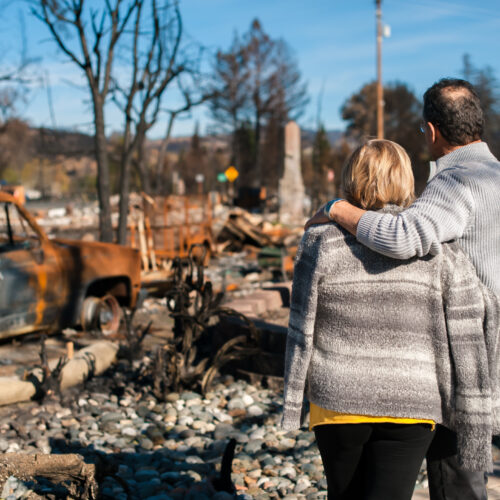

Research shows that extreme weather events have been steadily increasing around the world over the last 50 years.
Being prepared and knowing how to (ahem) weather the storm can make all the difference.
In the first instalment of our “Coping with emergencies” series, we came up with a practical game plan to prepare for natural disasters.
Now, let’s look at how to cope during an extreme weather event when your actions in those crucial minutes and hours can make all the difference.
Stay informed in real time
During an emergency, up-to-date information is your lifeline. Whether it’s a battery-powered radio, official emergency service apps or verified social media channels, keep a reliable source of information on hand. Avoid relying on hearsay or unverified posts, as misinformation spreads quickly and can lead to dangerous decisions.
If you’re in the workplace, designate one person to monitor official channels and relay key updates. This avoids confusion and ensures everyone is acting on the same accurate information.
In a fire
If fire is in or near your building, activate your workplace evacuation plan immediately. Don’t try to fight the fire unless you’ve been trained and it’s small enough to be handled with an extinguisher.
For outdoor fires, such as wildfires or bushfires, authorities may issue alerts advising you to evacuate early. If it’s too late to leave safely, move to a safer part of the building, close all the doors and windows, and block gaps with wet towels to keep out smoke. Stay low to the ground if smoke is entering the space and use a mask or cloth over your mouth and nose to reduce smoke inhalation.
In a flood
If you’re in a flood-prone area and waters are rising, move to higher ground immediately. Avoid basements and underground car parks that can fill quickly. If you’re already inside and it’s safer to stay put, move essential items and people to upper floors.
Never walk, swim or drive through floodwaters. Even shallow water can be fast-moving and hide hazards like debris or live electrical wires. Keep an eye on official evacuation orders and be ready to leave the moment it’s safe to do so.
In a severe storm
Storms vary by region – it might be a tropical cyclone, hurricane, typhoon or blizzard – but the principle is the same: get to a safe, sheltered place and stay there until the danger has passed.
If you’re indoors, move away from windows and close interior doors to slow the movement of wind if windows break. Unplug electrical equipment to protect against power surges.
If you’re caught outside, avoid trees, power lines and tall structures, and seek shelter in a sturdy building if possible. In snow or ice storms, limit travel and watch for hypothermia symptoms in yourself and others.
Keep communication clear and calm
In high-stress situations, people take cues from the calmest voice in the room. Speak clearly, give short instructions and avoid overwhelming others with too much information at once.
If you’re in a leadership role, check in on team members regularly – not just to give directions, but also to reassure them.
Look after your physical and mental state
During an emergency, adrenaline can push you to act without noticing hunger, thirst or fatigue. Make sure you and your family or team members have regular water, snack and rest breaks when it’s safe to take them.
Taking slow, steady breaths can help reduce panic. If you feel overwhelmed, focus on one small action at a time rather than trying to solve the whole situation in your head.
When evacuation is necessary
If authorities order you to evacuate, follow instructions promptly. Take your emergency kit, essential personal items and identification with you if possible. Lock doors and windows if there’s time and let someone know your intended destination.
Use safe, designated evacuation routes and avoid shortcuts because they may be blocked or unsafe. Roads may be congested, so patience and caution are key.
After the immediate danger passes
Even when the storm, fire or flood is over, hazards can remain. Wait for the official all-clear before returning to normal activities. Watch out for damaged structures, fallen power lines, contaminated water or unstable ground.
Once everyone is safe, take a moment to acknowledge what you’ve been through. The shock of an emergency can catch up with you afterwards, so encourage open conversations and direct staff to employee assistance programs for support.
Preparation beats panic
Emergencies can be loud, fast and frightening. If you stay informed, follow your plan and act with safety in mind, you’ll greatly increase your chances of getting through the event with minimal harm.
Article sources and references
- WMO. (n.d.). Extreme weather. World Meteorological Organization.https://wmo.int/topics/extreme-weather
www.myeverydaywellbeing.com